Value-First Data
Unified Revenue View Part 4: Scope Decision
Watch Episode →


🎙️ New to streaming or looking to level up? Check out StreamYard and get $10 discount! 😍 https://streamyard.com/pal/d/5176224747749376
Generated via AI Transcription (Gemini)• 90% confidence
[00:05] **Introduction** Casey Hawkins: Good morning, good afternoon, good evening, LinkedIn. Welcome back to the Value-First Data Series. I'm Casey, and I'm here with my friend Klemen. For the past few weeks, we've been talking about data before the hand raise, audience stage, researcher stage, all that anonymous browsing and self-service exploration, and honestly, you might not have a ton of data at those stages, which is actually okay. But today, we're talking about the moment everyone wants to talk about, when someone raises their hand and says, I want to buy from you. Now what? It should be simple, but here's what I see constantly. Teams can't recognize when it happens, or they recognize it but don't know what to do, or they over complicate it with a 47-step qualification process. They might treat every hand raise exactly the same. So today, we're going to build a hand raise recognition system live in HubSpot, so you can see exactly how to do it yourself. Klemen, what are you most excited to show people today?
[01:34] **Klemen's Excitement for Today's Episode** Klemen Hrovat: Probably more what we're excited to learn more than show. Uh, I'm super excited to to just, you know, get our hands dirty in HubSpot. How, how things can be managed better. Um, how to think about data supporting that you know hand raise or stage. Uh, of course, excited to talk about our approaches, your approaches. Uh, but I think, yeah, it it will be super informative. Um, if nothing else for myself. Uh, and I'm sure there are others about, about, you know, hitting their head against the wall around that topic, uh, how to do it better. Um, so yeah, super excited for today. Casey Hawkins: Awesome. Casey Hawkins: Yeah.
[02:38] **The Problem Most Teams Have** Casey Hawkins: Um, well, I feel like what I want to start with is the problem that I see that most teams have. Um, I mentioned this in a LinkedIn post for this, but I think most people have a much harder time identifying handraisers than they really should. Um, and I think it tends to be because they can't distinguish the handraisers from the researchers in the value path. Um, if you have not watched the previous episodes, uh, the first three steps of the value path, first is audience, that's anyone that like, you know, engages with your brand at all, maybe they land on your blog, um, maybe they see a social post, or maybe they're just like in what you would traditionally refer to as your target audience. Um, but they're not in a purchasing cycle at that point. Then people move into a researcher role. That's when someone like myself goes, I would like to buy a software for streaming videos. And that's when I might start researching how much um, StreamYard cost, how much any of their competitors do, like Riverside. That's the one I was like there's a river one. I use StreamYard. But that's when you start to see like that researcher stage and it may include competitors or it may just be them researching your organization. Um, but at the many of those stages, sometimes, not all the time, we don't even know who the individual is. We don't have them cookie, we don't have their contact information, and I don't know if we should. Um, many times I think organizations are trying desperately to get the contact information of those people in their audience, in their researchers. However, once you get to the handraiser step stage, that's when people are freely giving you their information, and they're saying, I want to talk to you about purchasing. It's like the most valuable step. But people get so fixated on who the right audience is, that I think sometimes they forget, or they just lump handraisers together with like sometimes the audience. Sometimes it's all people who they want to be buyers are lumped in with handraisers and treated all the same.
[06:12] **The SAS Industry & VC Game** Klemen Hrovat: Yeah, uh, from what I see, and you know, that goes back to to the point I feel I keep making is because, you know, the SAS industry and in VC game where you're, you know, forced to have X MQLs and X leads created every every month, you're just treating every form submission as, you know, a handraiser more or less. Um, which, which is not the case. Um, and that's I think where the the the main confusion kind of happens as as you are yeah, treating everyone in, you know, if if audience is just somewhere, somewhere, someone somewhere, uh, the the researcher is definitely someone, you know, going through your website, maybe downloading some information, but not every PDF download or or, you know, form submission, generic form submission is necessarily a handraiser. If someone is filling out a form to to book a demo, yes, this is a handraiser. Uh, but not every PDF that is gated for a for an email. Uh, and then back to to the point we made last week is when people are in the researcher stage, they're less likely to fill out a form with their real contact data because you know they're not there yet. When they're at the handraiser stage, they will put their relevant contact information, phone number, email, because they want to be contacted. They're hand raising. They're raising their hand to get in touch. Casey Hawkins: Yeah, and I think that's an interesting point too, and I'm, I already told you we went over the agenda earlier and I said, you know, by section three we'll have veered off course. Uh, so I don't even think I'm making it through section one and I'm already veering, but, um, but today's HubSpot Admin Hug was on deduplication. Our friend Jonas from Qualify was presenting on his deduplication tool that's built for HubSpot. I say all of that because when we talk about this and what you just said, makes me wonder like the like rush to create contacts and to kind of assume that everyone's a handraiser even if they're not, how many duplicates is that creating in our CRM? I mean, how many times have I put in, I have a, I, like many people, have a junk email address where I put all my, you know, I sign up for stuff there that I don't like actually care about. Um, and then but then, if I'm ready to buy, I would put in like probably my like business email address, because I want them to send the calendar event that air, I want my fathom note taker to come, like I want all of that there. So I wonder how many times I have like duplicate contacts in systems just because of that, because they were trying to get me to fill out a form before I was really ready to fill out a form. Klemen Hrovat: Yeah. In the portals when we are asked to help with deduplication, this is often the the case. And and the realization of, yeah, HubSpot admins. You know, we know we have duplicates, but these are hard to spot because the email is different. Um, maybe the first name and last name is is the same, but it could also not be the same, because you know, you can be whatever when when you're filling out. Casey Hawkins: And many of my email addresses, yeah, don't have my first and last name in them. Klemen Hrovat: Yeah, yeah, yeah. So there's no, you know, there's no magic you can go from that fake email or or junk email that you're using and if you're if you're not identifying as as Casey Hawkins, there's no way someone can connect those two contacts being the the same, which is really hard. Uh, but in reality, if you could connect those two, um, you would have the right view of that person being audience, researcher stage and then now becoming a handraiser, and you would definitely better understand that. Um, that's why I think for any form on the website, it should be as as simple as possible. So you know, don't don't make it hard for someone to even think to to provide, you know, wrong data or or or fake email by also asking some other questions which are totally irrelevant at that point. Uh, when you when you're about to, you know, when they're ready, they will provide you all the data that you need. Um, but if you are collecting the the the junk emails, you're just losing the context about who is who. Casey Hawkins: Mhm.
[11:40] **What Is A Handraiser?** Casey Hawkins: Yeah. Um, so what so what is a handraiser? I, hello, I am here because I do a lot of HubSpot lead scoring. Um, I've spent the last year obsessing over lead scoring as HubSpot Sunset their historic or the legacy, their legacy scoring tool. Um, I often say that identifying the handraisers is the easiest part of lead scoring. And to be honest, it's the part I ignore isn't quite the right way of phrasing it. Um, but when I'm building a lead score, that's the last thing I kind of worry about because I'm like, you know, that is the demo form submissions, the pricing form submissions. But there, there are other ways people raise their hands, um, as well. Um, and then Klemen, you have a SAS business. Um, so what does a handraiser look like in your organization? Klemen Hrovat: Very rarely it's someone filling out a form on the website or or, you know, requesting a demo or booking a demo. Um, when when that happens, we really have a good conversation with them because they're really, you know, they're on the website and and feeling out the form, hey, I wanted to have a demo. Uh, but more often it's on LinkedIn. Uh, it's through comments, uh, through likes, uh, on on different posts or or or my comments on others posts, uh, and then people reaching out or me sending out uh a DM. Um, hey, you know, I I I saw your your post about this and this topic. Uh, I'm really curious to learn more about that. Uh, and then we have a we have a call. Um, and it's, you know, hard to measure all the attribution of of of where it's coming because you know, you you you are present on LinkedIn on on so many different ways. Um, but this is, yeah, definitely not something you could easily score through HubSpot scoring because that, you know, LinkedIn activity is not uh um. Casey Hawkins: Scorable. Klemen Hrovat: Scorable uh in Hubspot. Uh. Casey Hawkins: [laughter] Klemen Hrovat: There was a point I wanted to make, but I lost my mind. Sorry. Casey Hawkins: Go go ahead with this. Casey Hawkins: No, um, so, so you have a SAS business, I am a consultant. My that's not SAS, it's, I have a consulting business, that's the word. Um, and I have a small website and I get a handful of form submissions. I actually need, I didn't even have a website until this year. Um, but now I have a website and every once in a while I'll get a form submission from my website. Um, but at least once a week if not multiple times a week, I get a LinkedIn message saying, hey, do you have any openings? Hey, do you have any um, I'd like to chat. Like, yeah, for me, handraisers are much more often in my DM's. Um, we live on LinkedIn. Um, our audience lives on LinkedIn. So like we're kind of lucky in that respect. Um, but if your audience lives somewhere else, then, you know, that's where, you know, you may see those handraisers. Um, and they may be comments, they may be um, DM's. It's, it just varies. Um, but the to your point too, there's not a way to attribute or track that, um, inside of Hubspot all the time. You can do that with a form submission. Um, but you can't do that necessarily with a with a just like a DM. Klemen Hrovat: A question to you, uh, in lead scoring, can you, can you score the LinkedIn messages that are synced to the activity timeline? Casey Hawkins: Sorry, I'm thinking. Casey Hawkins: I haven't seen that as an option. Klemen Hrovat: Okay. Just thinking how to score something that is unscorable. Casey Hawkins: Yeah. Well, but to that point, I I don't think scoring is that important for handraisers. Um, because you were going to talk to all of your handraisers. Unless they're like disqualified in some way, in which case they're just disqualified. But like the prioritization of handraisers, I've never seen an organization that like had so many handraisers they needed to like prioritize those. Klemen Hrovat: Yeah. Casey Hawkins: When we when we look at, when I look at lead scoring, I'm looking at researchers primarily, and I'm primarily looking at who are our researchers and do we, who in, who is our priority in that audience? Um, so and that's why from a lead scoring perspective, sometimes I do put handraising behaviors into lead scores. Um, but it's and here, I'll just go in and and show you where I've done this already. Klemen Hrovat: And and maybe not just to to bring the the loop in the conversation. Uh, where where your audience is, this is where you know, amplify part of of of the loop happening. Um, and if your audience is in LinkedIn, you know, don't don't think too much to to to try to push people to the website, just be on LinkedIn. Be where your audience is, share your voice there, be present there. LinkedIn DM's are perfect for a conversation starter. Um, and and know, you don't need them to fill out a form or book a demo through the website. It's fine if you just share a scheduling link in a DM, and that's, you know, a handraiser. And as soon as they book a call, they're on your Hubspot. Casey Hawkins: Yeah, so how I traditionally treat handraisers in my scoring model is, um, I use an engagement score of 100, and I break that 100 into three. High intent are my handraisers, they get 60 points. Um, mid middle intent, medium intent, um, these are people that are most often going to be our like Chris is traveling today, so he won't hear me butcher his value path, but like high influencer, or high researchers, is what I mean. Um, like hot researchers, people looking at your pricing page, things like that. Klemen Hrovat: Almost almost handraisers. Casey Hawkins: Almost handraisers. And I'd give them 30 points. And then I have low intent, which um, I get 10 points. And these are people who are actively visiting our resource um, pages, have visited maybe our um, blog multiple times. They're like my low intent is like almost researchers and my middle intent is like almost handraisers. Um, and that's generally how I break things up. Um, and the reason I do that is because low intent gets 10, medium intent gets 30. If you've maxed both of those out, you have a score of 40, which is never equal to 60. It's never equal to a hand raise. And I think that's the point that like I'm very passionate about is like there's no amount of blog visits, there's no amount of resource downloads that's the same as a handraiser. And that's part of why I put handraisers into this calculation because I want to say these people with 60 points are handraisers. Those look different and are treated different than the people we would like to be a handraiser. Um, those are the people we might want to send a DM to ourselves. Um, what's missing from this right now is, um, you know, the DM's, um, that we were both mentioning. And one thing that I think is kind of interesting is, you know, maybe we have meetings booked should also be in here. 60 And if you have your meeting types configured, you might even have like oh, that didn't work. This one's not configured like that. But um, you know, if you have a demo meeting type or something set up, you could even like get further along like that too. Um, because that's for me, if someone sends me a DM, I send them my meeting link. Um, and I even personally, like I could even have like a handraiser meeting link. I would call, you know, you'd call it like initial consult meeting link or something like that. Um, but that's almost your handraiser meeting link. Um, the trick there is kind of they've actually raised their hand before they filled out that form. But I don't know if it really matters if they because if they don't book a meeting with you, like did they actually raise their hand if you lost them before they. Klemen Hrovat: They were shy raising the hand. Casey Hawkins: [laughter]. Klemen Hrovat: Yeah, yeah, that's a good point. Um. Casey Hawkins: So I think maybe this is kind of is no. Casey Hawkins: Sure. And then this is kind of how I might identify my handraisers in my CRM. And then personally, on top of this, I have to save um, I have ICP Company fit and ICP contact fit. ICP is ideal customer profile. So if I did need to score, if I did need to prioritize my handraisers, I would do that using my ideal customer fit um, profiles. Um, so do they have the job titles that are good for me? Um, my background is in marketing. Um, so I would likely put marketing titles as like an ideal customer fit. Um, and if I needed to prioritize my meetings, my handraisers, I would likely prioritize people who had marketing backgrounds over someone um, that comes from like customer success, which I always say I dabble in the service hub, but I am definitely marketing hub is my home. Klemen Hrovat: Mhm. I have a same approach where we try to score high anyone who has kind of admin access to Hubspot, because those are the people who are responsible for data, of all all aspects. Uh, and then, you know, often it's not Hubspot admin as a title or RevOps as a title, but it can be just de facto Hubspot admin. So it's not necessarily the the job title keyword, but more of the persona. Casey Hawkins: Yeah. Klemen Hrovat: Um, but people are happen, you know, people are happy to to answer those questions when when you are, you know, DMing with them. When you start the conversation, you can easily ask those kind of qualifying questions. Uh, on on a form submission on on our website, we have, do you use Hubspot, yes, no. This is kind of, you know, the disqualifying for us. Um, if you want to talk to us, but you don't have a Hubspot, there's nothing there's not much we can we can, you know, help you with uh or or talk about because we're really focused on Hubspot users. Um, more importantly than any other aspect of, you know, how big is this company. Uh, what's your company name? I mean, if if if you want to be identified and get in touch, if you're actually hand raising, um, I will be able to figure out at what company you work you work with. Um, so I think, you know, those kind of company name uh questions, they just shouldn't be in in any of the forms. You're just asking me for something that you can figure out on your own. Yeah. But if not, tell me, uh, I can help you with that, but you know, if you get the right data, uh, and then when people want to fill out the form when they are truly handraisers, they will leave enough information with their business email that you can figure out at what company they work at. Casey Hawkins: Um, so you mentioned the loop before. Um, I do want to make sure we kind of touch on that. So when we talk about the loop, um, HubSpot's loop is um, express, tailor, amplify evolve. Sorry. Klemen Hrovat: [laughter]. Casey Hawkins: So can you, you mentioned this in passing, but can you elaborate on what the loop looks like at the hand raise stage from your perspective or in your experience? Klemen Hrovat: Yeah, so express is is is really talking about concrete problems, which are, you know, bottom of the funnel type of content, if you will, on on a LinkedIn, where you're, you know, explaining concrete challenges you help with. So you are expressing the pain points talking about problems you're helping solving, uh, all the case studies, this is kind of the the type of content you should be thinking about if you want to address handraisers. Uh, so it should be really the goal, for example, of of a post where you want to address and and talk to handraisers, it's fine to have only 400 impressions if you got one demo booked out of it, you nailed it. You did what you had to do. It was super specific that one person identified is, hey, I should talk with with Klemen about whatever the data challenge is and you have a call. Even if it's 200 impressions, if you got at one uh discussion, that's that's the goal met. Um, the the the tailor is kind of you know, sign sign sign posting the the content or or blog posts. Uh, it's again, be clear for for which persona that you target that is relevant or maybe for for which industry, so they can relate as much as possible. Um, around that with with one of our uh users, we were asked if we can help them figure out for for professors their, you know, approaching, um, what field of research they're they're doing. Are they in oncology or in neuroscience? Because if they're in oncology, they will, you know, resonate with with a white paper or or a scientific publication within oncology. Um, and then not so much in neuroscience. Um, which you know, from from someone outside of that, you know, life sciences space can be, okay, whatever, it's just a research on something, but the main disease specific research is is, you know, someone in oncology, they don't care about something even if it's super interesting in in neuroscience because it's such a different research. And then we are helping them with with understanding the field of research of of people in their CRM, so they can approach them with super tailored, you know, case study or white paper, um, which is how I see, you know, how you can tailor. There is a lot of tools available to just, you know, catch the the the insights, um, where you can tailor the messaging to to to that persona or that industry, uh, or that concrete uh person you're approaching. Um, amplify, be where your audience is. Casey Hawkins: [laughter] Klemen Hrovat: You know. Casey Hawkins: Yeah, don't bother to push. Casey Hawkins: Yeah, that's like what I was Yeah. referring to before. Casey Hawkins: And like if your audience isn't going to fill out forms, that shouldn't be your primary way of, you shouldn't be sitting around waiting for your audience to fill out a form to be a handraiser, um, if that's not what your audience is going to do. Klemen Hrovat: Yeah. Um, especially with, you know, AI and Omni Channel presence and and and what not, expect them to to raise their hand where, you know, they see you. If if you're strong on on LinkedIn or on YouTube, just, you know, think how you can make it easy for them to raise their hand on LinkedIn or on on YouTube. Um, not necessarily think how to drive them to to the website to fill out the form so then you can, you know, have them and and score them. Um, and then the iterate, um, just yeah, learn what kind of content is is helping you uh convert people. What kind of um, let's say on LinkedIn, what kind of posts are driving, not necessarily the engagement, but those, you know, people then reaching out to you in DM's, um, with with the content approaching handraisers, the goal is not to have 50,000 impressions on your LinkedIn post. Uh, that means, you know, the post is meant for different audience, maybe the audience stage or the researcher stage. Uh, there there are not, you know, 50,000 handraisers out there for sure. Uh, we should be helping them. Uh, but if you can, you know, with one post you can identify one, uh, perfect. Um, I think you did your job as you should, and that's where you can kind of, you know, learn from from what you're getting from those, you know, content pieces, wherever your audience is. Casey Hawkins: Yeah, I also think like when we look at the evolve piece there, you know, people in this stage are going to have different degrees of like buying readiness. And when we look at personalizing and evolving, um, it's worth considering that. Like, you know, I at one point I was an intern for a small business. I oftentimes was doing the handraising on behalf of my boss at the time. Um, but that hand raise was really premature in a lot of ways where like, I mean, my boss was not willing to talk to the sales rep at this point. He was just willing to send his intern to like talk to them and get a pricing and get like a feel. Um, but that also, when you're evolving, you're also evolving your messaging, um, because what I, I as an intern needed at that time was very different than what if my boss had been talking to them and had been like ready to buy, that conversation would have looked different and have been different. I think it kind of tailor and evolve can sometimes um mix to maybe be mixed together isn't the right term, but like the way you evolve will kind of dictate the the tailoring of it. Does that make sense? Klemen Hrovat: Yeah, yeah, yeah. I I think it knows, yeah. Casey Hawkins: I don't know. Klemen Hrovat: I mean as I say it is, you know, for for different personas, you know, different thing matters. Uh, you know, a VP and then an intern, they're both in in the same group, but when intern is handraising, uh, they are, yeah, maybe looking for pricing or maybe looking for for time and how long will it take us to implement that? Is it five months or or five years? Uh, where, you know, the the VP, when when that person would raise their hand, it would be yeah, a totally different type of of data they're looking for. And if you understand that, that's how you can deliver the tailored message uh to to that persona. Casey Hawkins: Mhm. Casey Hawkins: Yeah. Casey Hawkins: Yeah. All right. Um, so let me bring Hubspot back up for a minute. Because I do want to take just a minute to look at like, what do we do inside of Hubspot? Um, you know, we have our, I've showed how I segment lead scoring, um, in this setup, but what does, what do we do from here? What do you do with a handraiser? Um, and I have this sales handoff workflow that I use. Um, this is a demo portal, but the trigger here is like when they reach whatever score. Um, in this case, my score is generally going to be 60, but it might be 50 depending on my resources. Um, our friend Riley Powell said one time to me that he thinks of lead the whole point of lead scoring is to decide when to deploy resources. Um, so depending on how many resources you have will vary what how when to deploy them and at what level to deploy them. Um, and for me, from here, I have this setup which is a great ICP fit, which means that they've are my contact ICP fit, my company ICP fit and their handraiser. Um, I know that because their score is 60 or greater. Um, again, the way I set up my scores, you can't reach 60 unless you have um, raise your hand. Um, and then from there, I can send a different notification to my team maybe. Um, I can assign that lead out. Maybe I have, you know, I mentioned before when I was an intern, I could still raise my hand, but maybe I'm set to like the BDR team instead of the AE's or something like that. Um, you know, there's some sort of blend there that can certainly come into play. Klemen Hrovat: And you and you would differently score that based on the ICP persona fit, I guess. So, you know, a handraiser is someone, you know, requesting a demo with with 60 plus points now. Uh, but because the job title is intern, it would be, you know, ICP fits score at a personal level, contact level way less, so it's not, you know, really hot lead but it's probably a lead for review or hey, you know, double check or or meet with them to understand how far they are in their decision process. Casey Hawkins: Exactly, exactly. So yeah. So, um, and in that case, I would yeah, meet with them maybe. I mean it depends on the organization, it depends on the resources whether or not we're meeting with them or whether or not we're like asking for more information at that point um and going from there. Casey Hawkins: [Directing people]. Casey Hawkins: Um, but yeah, so that's why I think scoring does can still have a place. However, at the end of the day, your your handraisers are going to get some sort of follow up and your handraisers should. I mean, even if an intern is the one filling out your form in the in my example, my boss was never going to fill out that form. If you wanted my boss to purchase from you, you still had to go through the intern. Um, no matter how, you know, silly that feels maybe, um, you still have to do it. Klemen Hrovat: Yeah. How are you encountering for, you know, demo booked where, you know, demo book is now a trigger to, you know, immediately score for 60 points, so it would be kind of get here, but you already have a demo in place, you probably want to, would you have, you know, a different branch here? You don't need to create a task because, you know, demo is already booked. Casey Hawkins: Yeah, so, um, an example I have for that is, um, I talk about Supered a lot whenever I'm talking about like sales practices because I think they do a really good job. Um, I have done demos with Supered. I have never filled out like a demo form on their website. They have identified me as a HubSpot consultant, a HubSpot admin. Like I am every time I meet with Supered, I say, I am your ideal customer profile. I am like there is a box and I get that I am in that box. Um, even sometimes one time I met with one of their sales reps and I said to him, I said, I'm about to do your job for you because I'm going to say something and I know that you are going to be like this is like we have the solution for the exact problem that you're having. Um, but all of that to say like, I never hit the handraiser stage. Um, so from that perspective, uh, I would probably in this, I mean this the point of this workflow is a sales handoff. There's no sales handoff if the meeting is booked. Um, so I'd probably have an exclusion here. Um, I would have a suppression list of contacts. Um, I would either have recent meeting books booked, or if you're using the lead object, um, I would like, do they have an does this person have an open lead open? An open lead open, an active lead open. Um, in which case, don't, like, don't, don't do all this craziness because they're already set and where they are. Klemen Hrovat: Awesome. Casey Hawkins: Yeah. Um, however, you do, to your point, need to have some sort of process for identifying that. When if we're using meeting type of demo, do is there something else that's generating a lead from that, so that we can track the progress from there? Um, or are there lifecycle stages being updated? Um, you do still have to come up with a system for that. Um, and you're probably doing all of those things. So I would likely have, you know, at the end of this like hot lead set. Um, we probably want to edit lifecycle stage. Edit record. Lifecycle stage. Handraiser. Save. Um, and those are for my like hot leads. My non-handraisers, they're not handraisers, so I'm not going to set them as handraisers, but they're probably researchers based on the other criteria I've done. And then if my trigger here is you have to have at least 60 points is greater than or equal to 60. Save. But everyone else is going to be a hand is a handraiser. In this case, they're just not a hot handraiser. Um, so I'd do that. But I would need a separate workflow. Um, when an event occurs, meeting booked. Yeah, I'd probably want to have like a meeting type field. Um, but let's do meeting booked. And let's use like the form. Let's just say I had like my meeting link. This is the only meeting link I used for these like handraisers in my DM's. Then I would want to make sure that these people are also Handraiser stage. Casey Hawkins: Okay. Klemen Hrovat: Yeah. Casey Hawkins: See. Casey Hawkins: And then if I'm using the lead object, maybe I create a lead at that point too. You know, there's your own systems maybe doing some more from there. Klemen Hrovat: That was insightful. Casey Hawkins: Yeah. But then from here, we can segment people into that group. We can see from where they became became a handraiser. Um, I can see their they booked a meeting. I can see then I can start collecting some data on where these people are coming from and what they're doing. Klemen Hrovat: The data analysis, yeah. Uh, well as soon as you can identify them, which is through those workflows, then you can start doing the analysis, where are they coming from, attribute to to which, you know, channel, from where, uh, where they raise their hand, um, through the meeting link, um, you can do that. If you have a separate booking link for handraisers for LinkedIn DM's, that's how you know they came from from LinkedIn. Uh, DM's. Um. Casey Hawkins: Yeah. Klemen Hrovat: Yeah.
[47:13] **Four Mistakes People Make with Handraisers** Casey Hawkins: All right. I know we only have a couple minutes left. Um, just want to go through a couple of like mistakes that I think some people hit in this se in the handraiser role. Um, the first mistake is I think that people think they don't have enough data, um, or enough handraisers. So you and I both shared from our own businesses like most of most handraisers for us are not form fills. Um, so I think when you're looking for you the data on your handraisers, you need to look a little bit bigger, a little more broadly. Um, handraisers may be in other places. Um, but are you tracking that? I mean we just looked at like that example and I think most very commonly people are only tracking hand raising from form submissions. Um, they're not looking at those other ways. Um, so you need to make sure that you have some way to identify the other places handraisers might be living. Klemen Hrovat: Yeah. Um, and and I think
More content you might be interested in.
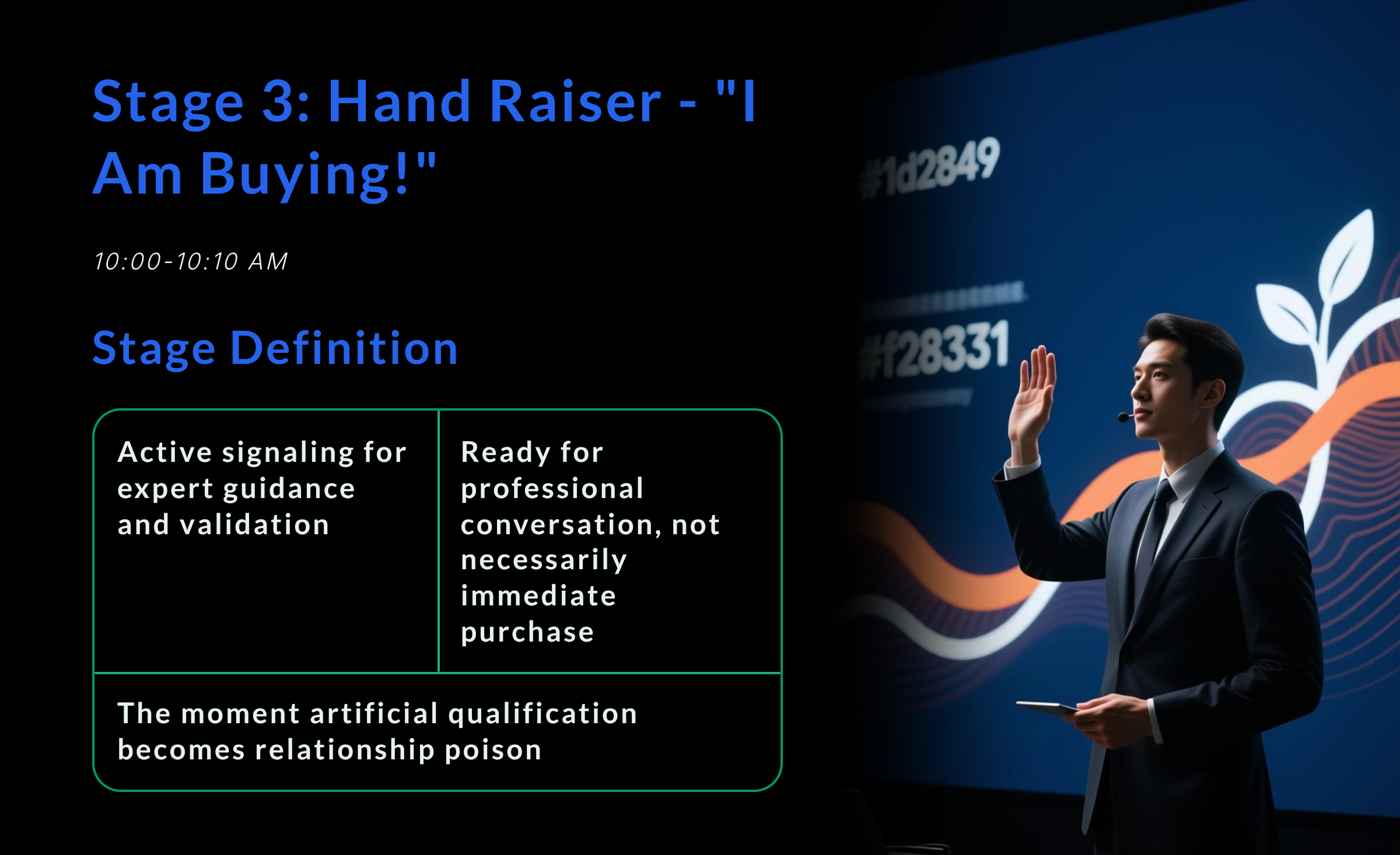
{% video_player "embed_player" overrideable=False, type='hsvideo2', hide_playlist=True, viral_sharing=False, embed_button=False, autoplay=False, hidden_controls=False, loop=False, muted=False, full_width=False, width='1920', height='1080', player_id='196849413897', style='' %} Context from the Value
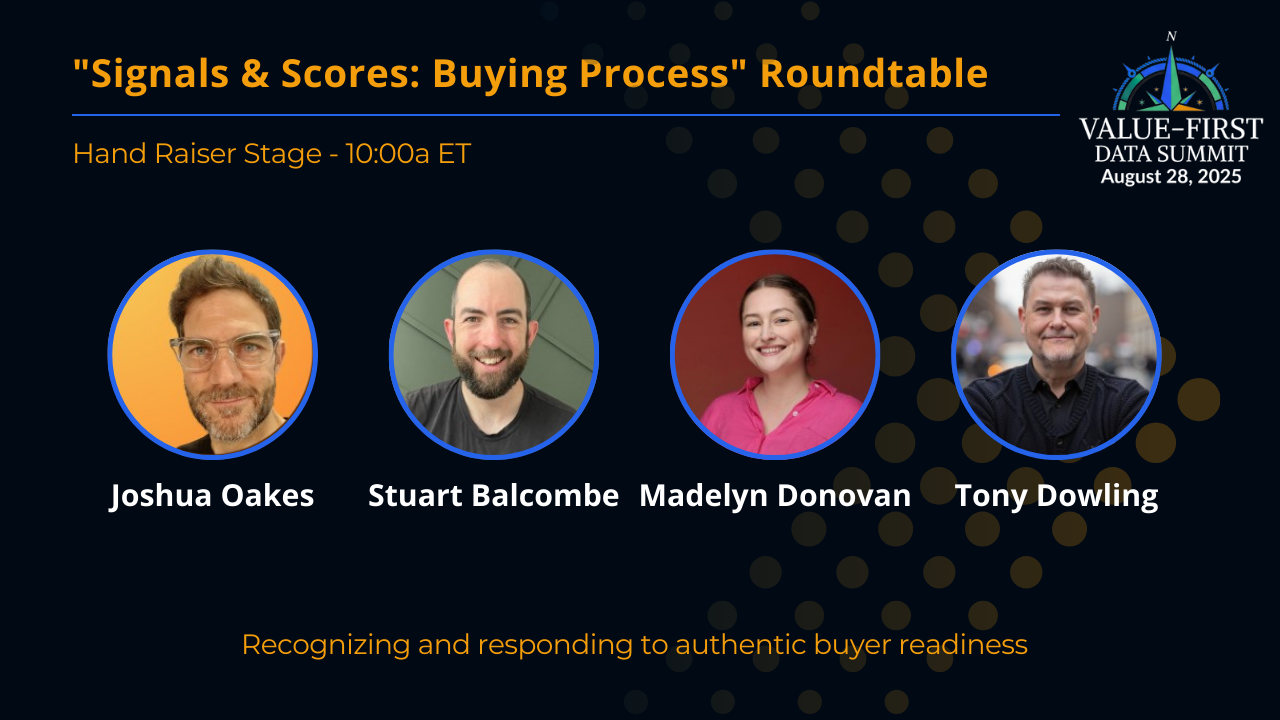
{% video_player "embed_player" overrideable=False, type='hsvideo2', hide_playlist=True, viral_sharing=False, embed_button=False, autoplay=False, hidden_controls=False, loop=False, muted=False, full_width=False, width='1920', height='1080', player_id='196853196821', style='' %} Summit Context: A Jour
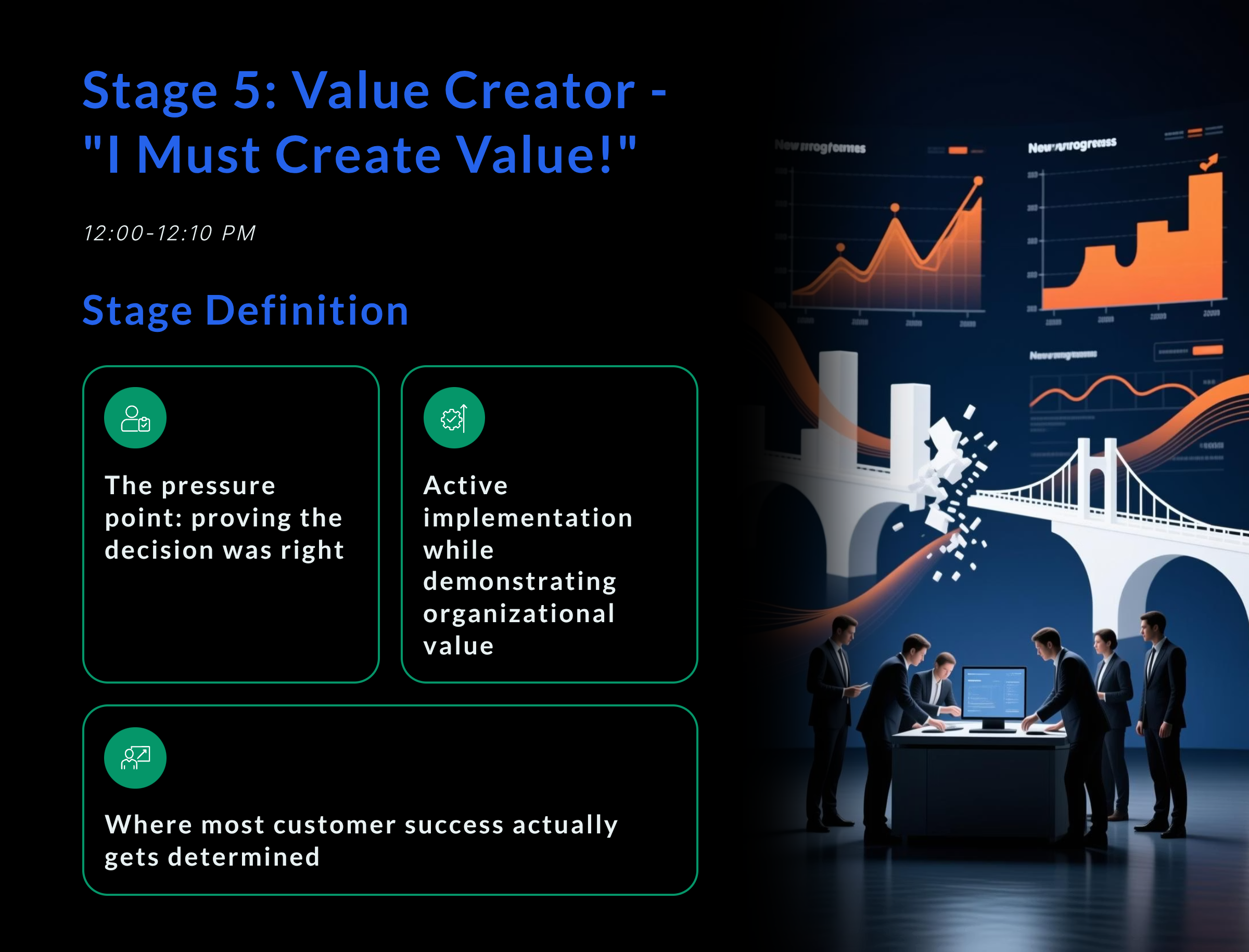
{% video_player "embed_player" overrideable=False, type='hsvideo2', hide_playlist=True, viral_sharing=False, embed_button=False, autoplay=False, hidden_controls=False, loop=False, muted=False, full_width=False, width='1920', height='1080', player_id='196851345200', style='' %} At the Value-First Dat
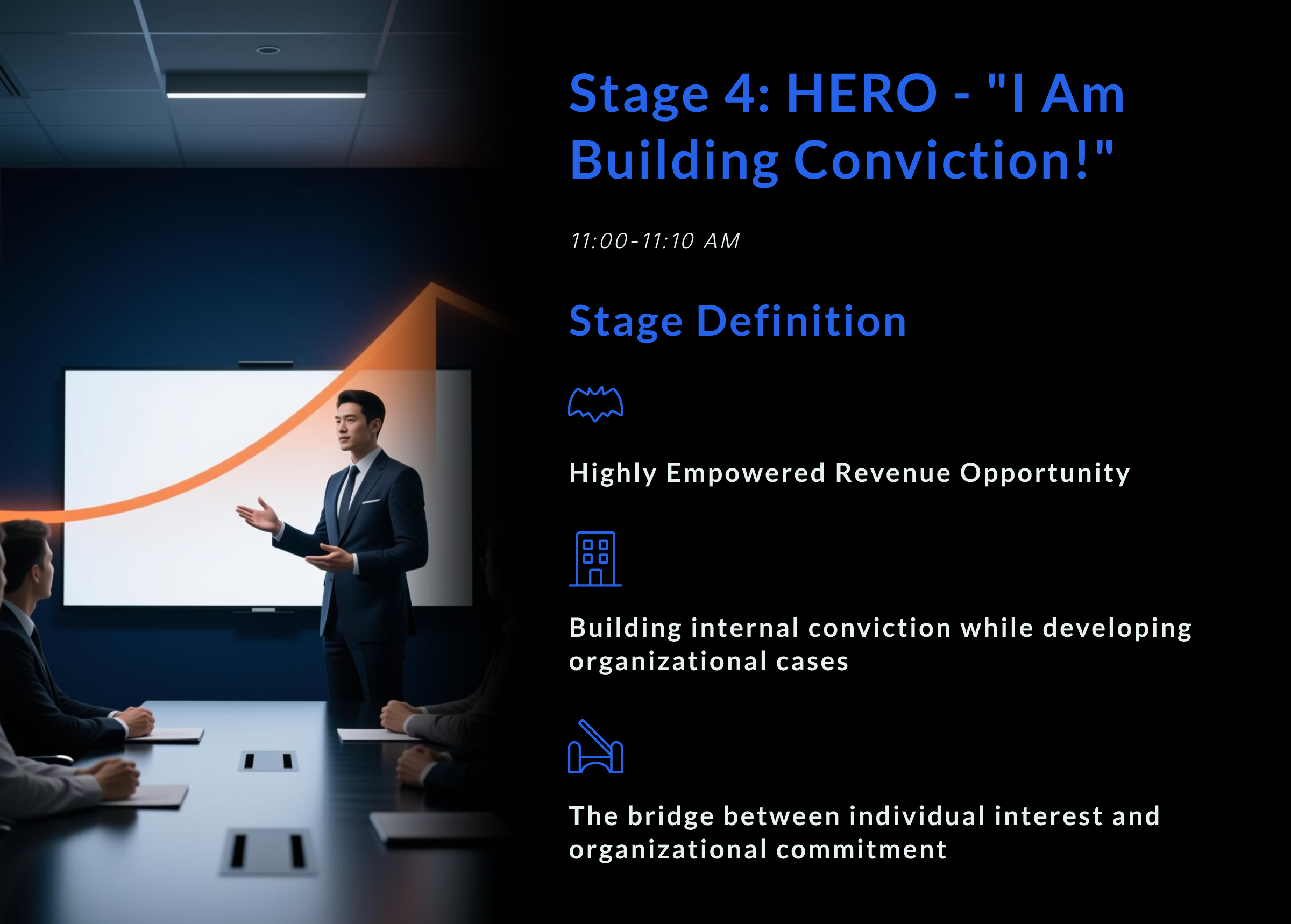
{% video_player "embed_player" overrideable=False, type='hsvideo2', hide_playlist=True, viral_sharing=False, embed_button=False, autoplay=False, hidden_controls=False, loop=False, muted=False, full_width=False, width='1920', height='1080', player_id='196850039571', style='' %} Opening Hook At the Va
Subscribe to Value-First Data and never miss an episode.
Courses, playbooks, interactive tools, and data model examples. Everything you need to transform your CRM.
Your donation helps us provide free resources and office hours to the community